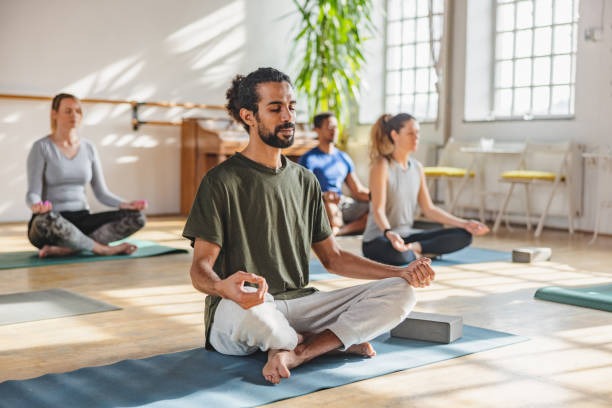
Maintaining a balanced lifestyle requires more than just managing work and responsibilities; it demands intentional relaxation habits that support mental and physical well-being. Integrating these habits into daily routines can significantly reduce stress, improve focus, and enhance overall quality of life. One effective approach is to cultivate mindfulness through simple breathing exercises or meditation. These practices help center the mind, allowing individuals to detach from constant distractions and reconnect with their inner calm. Even brief moments of mindful breathing can interrupt cycles of anxiety and promote a clearer perspective on daily challenges.
Physical relaxation also plays a crucial role in balancing life’s demands. Activities such as yoga or gentle stretching not only relieve muscle tension but also encourage a mind-body connection that fosters resilience against stress. Regular movement tailored to personal preferences can boost energy levels and improve sleep quality, which are essential for maintaining equilibrium. Furthermore, spending time outdoors adds another layer of relaxation by exposing the senses to natural stimuli, which has been shown to lower cortisol levels and elevate mood.
Engaging in hobbies is another valuable relaxation habit that supports balance. Pursuing creative outlets like painting, writing, or playing music provides a constructive escape from routine pressures and nurtures a sense of accomplishment and joy. This form of mental rest is just as important as physical downtime because it allows the brain to recharge in diverse ways. Even simple activities such as reading or gardening contribute to this restorative process by shifting focus away from stressors.
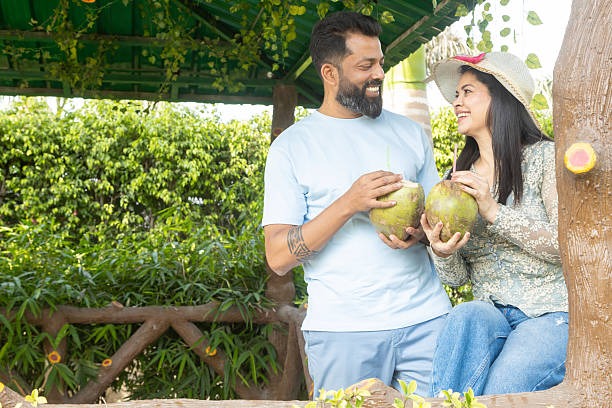
Social connections also contribute significantly to maintaining a balanced lifestyle. Sharing time with friends or family offers emotional support and can be deeply soothing. Conversations that foster understanding and laughter create positive experiences that counteract feelings of isolation or overwhelm. Prioritizing these relationships ensures that relaxation is not only an individual pursuit but also enriched through meaningful human interaction.
Resources like the Veterian Key blog provide insightful guidance on integrating relaxation techniques into everyday life, emphasizing practical steps tailored to various lifestyles. Drawing from expert advice can help individuals identify the most effective habits suited to their unique needs, reinforcing consistency and long-term benefits.
Ultimately, relaxation habits are fundamental pillars for sustaining balance amid life’s complexities. By incorporating mindful breathing, physical activity, hobbies, social engagement, and informed resources into daily routines, individuals can nurture their well-being and navigate challenges with greater ease.
About the Author