Painting both the interior and exterior of a property can significantly enhance its aesthetic appeal and value. However, achieving a professional and long-lasting finish requires careful planning and execution. Whether you are a homeowner looking to refresh your living space or a professional painter tasked with a job, understanding the important steps for successful interior and exterior painting is essential.
The first crucial step in any painting project is thorough preparation. For interior painting, this involves moving furniture away from walls, covering floors with drop cloths, and removing or masking fixtures such as outlet covers and light switch plates. Walls should be cleaned to remove dust, grease, and stains, as these can prevent paint from adhering properly. Small holes and cracks need to be filled with spackle or putty, followed by sanding the surfaces smooth to ensure an even finish.
Exterior painting also demands significant preparation. Start by cleaning the surfaces using a pressure washer or scrub brush to remove dirt, mildew, and peeling paint. Any damaged siding or trim should be repaired or replaced before painting. It is important to scrape off loose paint and sand rough edges to provide a smooth base. Additionally, masking off windows, doors, and fixtures protects these areas from unwanted paint splatters.
Choosing the right paint is another vital step. For interior projects, consider the room’s function and lighting when selecting paint finishes and colors. For example, high-traffic areas like kitchens and hallways benefit from durable, washable paints discover our services with satin or semi-gloss finishes, while bedrooms and living rooms often look best with matte or eggshell finishes. Exterior paints must be weather-resistant and suitable for the specific material of your home’s exterior, such as wood, brick, or stucco.
Priming the surfaces before applying paint guarantees better adhesion and enhances the durability of the finish. Use a primer that matches the paint type and surface material, especially when covering stains or painting over darker colors. Priming is particularly important for exterior surfaces exposed to harsh weather conditions.
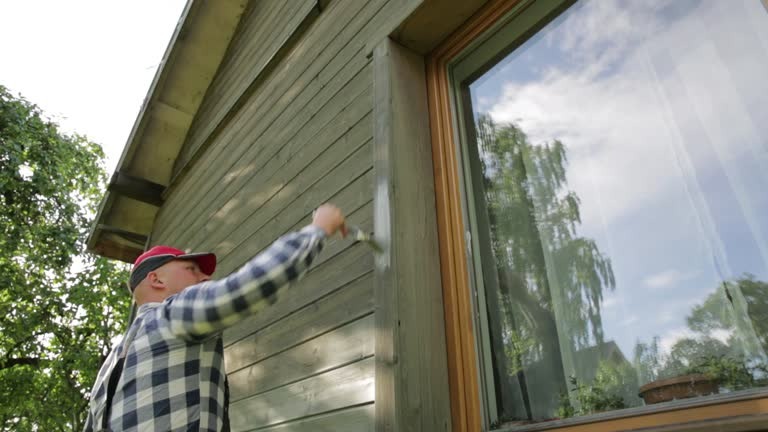
When it comes to painting, apply paint evenly using quality brushes and rollers. Multiple thin coats are preferable to one thick coat, as they offer better coverage and reduce the chance of drips or uneven textures. Allow adequate drying time between coats according to the manufacturer’s instructions.
Finally, after painting is complete, proper cleanup and maintenance extend the life of your work. Clean brushes and rollers immediately after use and store leftover paint for future touch-ups. For exterior surfaces, regular inspections and timely repairs prevent peeling and weather damage, maintaining your home’s appearance for years to come.
By following these important steps—preparation, choosing the right materials, priming, careful application, and maintenance—you can ensure a successful and beautiful interior and exterior painting project that stands the test of time.
About the Author