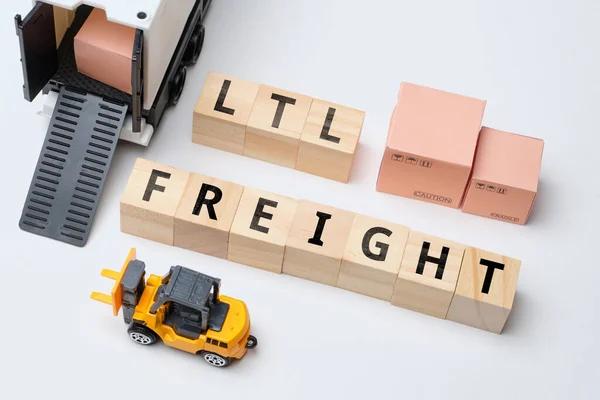
Shipping Less Than Truckload (LTL) freight to Canada can be a cost-effective and efficient solution for businesses that need to send smaller shipments across the border. However, navigating the complexities of cross-border logistics requires careful planning and knowledge of key procedures. This guide aims to provide businesses with practical steps to arrange LTL freight shipments to Canada successfully.
LTL freight refers to shipping shipments that do not require a full truckload, allowing multiple businesses to share space on the same truck. This approach find more on this page reduces shipping costs and increases flexibility. For companies exporting goods to Canada, LTL freight is often an ideal choice for managing inventory levels without overpaying for transport.
Choosing a reputable freight carrier experienced in cross-border shipments is critical. Look for carriers that specialize in LTL freight to Canada and have a strong network of customs brokers and agents. These carriers can help manage documentation, customs clearance, and any regulatory requirements, ensuring your freight moves smoothly across the border.
One of the most important aspects of shipping LTL freight to Canada is preparing the correct documentation. This includes the Bill of Lading, Commercial Invoice, and Canada Customs Invoice (CCI). The documentation must clearly describe the goods, their value, origin, and Harmonized System (HS) codes. Incomplete or inaccurate paperwork can cause delays and additional costs at customs.
Businesses must be aware of Canadian customs regulations and any applicable duties or taxes. Tariffs depend on the type of goods, their value, and trade agreements such as the USMCA. Working with a customs broker can simplify this process by ensuring compliance and helping to classify goods correctly to minimize duties.
Proper packaging is essential to protect your shipment during transit and handling. Use sturdy pallets and secure all items to prevent shifting. Additionally, labeling should be clear and include all necessary information such as consignee details, shipment reference numbers, and handling instructions. This reduces the risk of damage and misdelivery.
Coordinate pickup and delivery times with your freight carrier to optimize logistics. Many carriers offer online tracking tools that allow you to monitor your shipment in real time. Staying informed helps you manage expectations and promptly address any issues that arise during transit.
Arranging LTL freight to Canada involves careful attention to carrier selection, documentation, customs compliance, packaging, and scheduling. By following these practical steps, your business can efficiently manage cross-border shipments, reduce costs, and ensure timely delivery. Leveraging the expertise of experienced freight carriers and customs brokers will further streamline the process and help your business succeed in the Canadian market.
About the Author