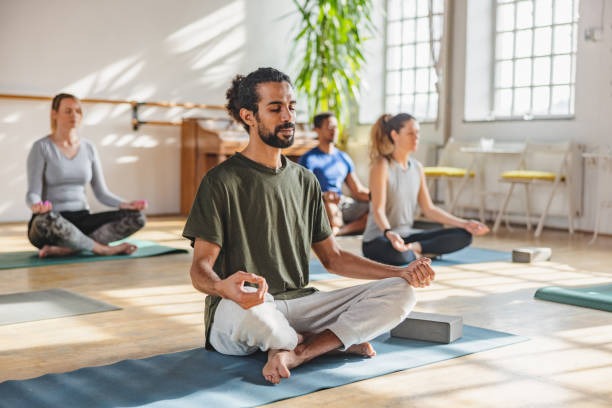
Stress is a common aspect of daily life, and managing it effectively can significantly improve overall well-being. Practical relaxation strategies help reduce tension and promote mental clarity, making it easier to handle everyday challenges. One effective approach involves mindful breathing exercises, which encourage focusing attention on the breath to calm the nervous system. Taking slow, deep breaths activates the parasympathetic nervous system, lowering heart rate and blood pressure while fostering a sense of peace. This technique can be practiced anywhere and only requires a few minutes to produce noticeable benefits.
Another useful method is progressive muscle relaxation. This process entails systematically tensing and then relaxing different muscle groups in the body, helping individuals become more aware of physical sensations related to stress. By view full guide consciously releasing muscle tension, people often experience reduced anxiety levels and improved sleep quality. Incorporating this practice into a daily routine can enhance bodily awareness and provide relief from accumulated stress throughout the day.
Physical activity also plays an important role in managing stress effectively. Engaging in regular exercise stimulates the release of endorphins-natural mood boosters that alleviate feelings of anxiety and depression. Activities like walking, jogging, yoga, or even stretching break up sedentary habits that may contribute to stress buildup. Exercise not only improves physical health but also offers mental clarity by diverting attention away from stressful thoughts.
Establishing consistent routines for rest and sleep supports emotional resilience as well. Lack of adequate sleep heightens sensitivity to stressors by impairing cognitive function and emotional regulation. Creating a calming bedtime ritual-such as dimming lights or avoiding screens before sleeping-can prepare the mind for restorative rest. Ensuring seven to nine hours of quality sleep each night equips individuals with greater capacity to cope with daily pressures.
Social connections provide another valuable source of comfort during stressful periods. Sharing concerns with trusted friends or family members fosters emotional support that eases feelings of isolation or overwhelm. Conversations grounded in empathy allow for perspective shifts that reduce perceived severity of problems while reinforcing interpersonal bonds.
Lastly, engaging in hobbies or leisure activities nurtures relaxation by shifting focus away from worries toward enjoyable experiences. Whether reading a book, gardening, listening to music, or practicing creative arts, dedicating time for personal interests replenishes energy reserves depleted by continuous demands.
Incorporating these practical strategies into everyday life promotes balanced responses to stressors without requiring extensive resources or specialized training. Consistency remains key; regularly applying such techniques strengthens coping mechanisms over time so individuals can maintain better mental health amid ongoing responsibilities and unexpected challenges alike.
About the Author