
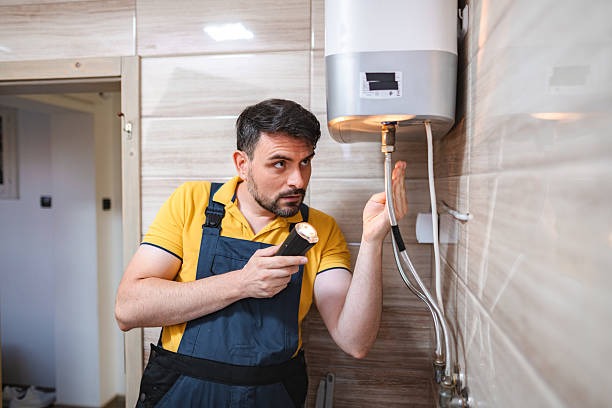
Air conditioning systems are an integral part of modern living, providing comfort and maintaining indoor air quality. The performance and longevity of these systems heavily depend on the electrical components that drive them. Understanding how these components impact AC repair performance is crucial for both technicians and consumers aiming to ensure efficient operation.
Electrical components in an air conditioning system include capacitors, contactors, relays, thermostats, circuit boards, and motors. Each plays a pivotal role in the system’s overall functionality. Capacitors store and release energy necessary for starting the compressor and fan motor. If a capacitor fails or weakens over time due click to discover wear or fluctuating power supply, it can lead to inefficient cooling or even prevent the AC from turning on altogether. Technicians often find that replacing faulty capacitors significantly enhances system performance.
Contactors act as switches that control the flow of electricity to various parts of the AC unit. When they become pitted or worn out due to frequent use, they may fail to open or close properly, disrupting power delivery and leading to intermittent operation or complete failure of the system. A well-maintained contactor ensures reliable start-up cycles essential for optimal cooling efficiency.
Relays function similarly but are typically used in controlling smaller currents within specific circuits inside an AC unit. Malfunctioning relays can cause issues such as blower fans not operating correctly or compressors failing to engage when needed—problems that directly affect cooling effectiveness.
Thermostats serve as the command center for temperature regulation within a space by communicating with other components like compressors and fans based on user settings. Faulty wiring connections or sensor malfunctions can result in inaccurate temperature readings which compromise comfort levels while also increasing energy consumption unnecessarily.
Circuit boards manage complex operations by processing signals between different parts ensuring seamless coordination among all elements involved during heating/cooling cycles; any damage here impairs communication causing erratic behavior across entire systems potentially leading towards costly repairs if left unchecked too long without intervention from experienced professionals familiarized specifically dealing electronics-related challenges associated HVAC equipment maintenance tasks alike!
Motors drive both fans responsible distributing conditioned airflow throughout spaces being serviced alongside compressors compress refrigerant gases facilitating heat exchange processes critical achieving desired indoor climate conditions efficiently effectively possible under given circumstances encountered daily basis worldwide today’s fast-paced environments demanding ever-increasing expectations regarding quality service delivery standards upheld consistently across industry sectors globally speaking present-day scenarios faced regularly requiring timely interventions addressing underlying causes before escalating into larger-scale complications requiring more extensive efforts resolve satisfactorily ultimately benefiting everyone involved process thereby contributing positively towards sustainable future development goals shared collectively society at large moving forward together harmoniously towards brighter tomorrow envisioned eagerly anticipated many generations past now becoming reality lived experience enjoyed fully appreciated consciously embraced wholeheartedly!
About the Author
