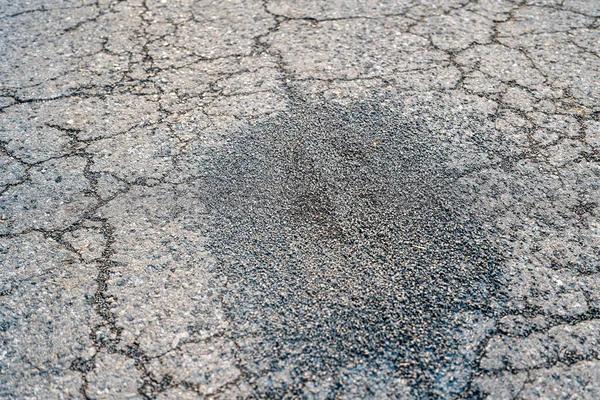
Repairing damaged asphalt surfaces is essential to maintain the integrity and appearance of driveways, parking lots, and roadways. Proper repair prevents further deterioration and extends the lifespan of the pavement. The process begins with a thorough inspection to identify the type and extent of damage. Common issues include cracks, potholes, surface raveling, and depressions. Understanding the specific problem helps determine the appropriate repair method.
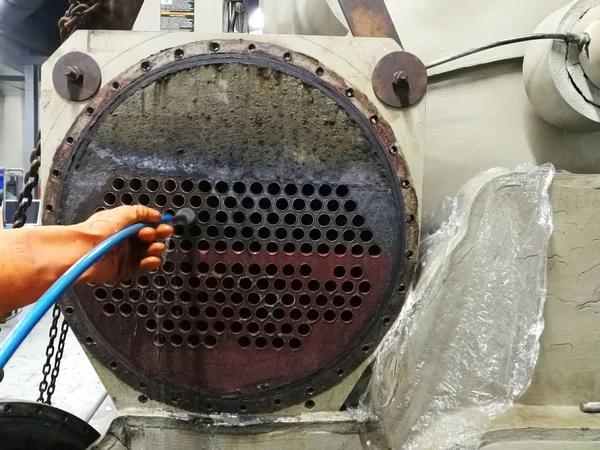
For minor cracks less than a quarter-inch wide, crack filling is often sufficient. This involves cleaning out debris from the cracks using a wire brush or compressed air before applying a hot or cold pour crack filler. Ensuring that cracks are clean and dry allows for better adhesion of the filler material. After application, smoothing out excess material with a trowel provides an even finish that blends well with the existing surface.
Paving services in Annapolis
When dealing with larger cracks or potholes, patching becomes necessary. Pothole repair starts by removing loose debris and any water trapped within the hole to create a stable base. The edges around the damaged area should be squared off using a saw or chisel to facilitate proper bonding between old and new asphalt layers. Next, apply tack coat adhesive on these edges to enhance adhesion before placing https://pavingsolid.com/ hot mix asphalt into the cavity in layers if needed. Each layer must be compacted thoroughly using a hand tamper or mechanical compactor until it reaches level with surrounding pavement.
Surface raveling occurs when aggregate particles become loose due to weather exposure or poor installation practices. In such cases, seal coating can restore surface texture while protecting against moisture infiltration and UV damage which accelerates aging processes in asphalt materials.
Depressions caused by settling soil beneath pavement require more extensive treatment known as leveling courses where new asphalt overlays are applied after stabilizing subgrade conditions through proper drainage improvements or soil stabilization techniques.
After completing repairs, allowing adequate curing time is crucial before reopening areas for traffic use; this ensures materials set properly without premature wear under load stress.
Regular maintenance such as cleaning debris from surfaces prevents water accumulation which leads to freeze-thaw cycles damaging pavements further over time.
In summary, repairing damaged asphalt involves identifying issues correctly followed by targeted treatments including crack filling for small fissures; patching for potholes; seal coating for surface degradation; and leveling for structural depressions combined with preventive upkeep measures ensuring longevity of paved surfaces while maintaining safety standards effectively throughout their service life.
Solid Paving & Concrete
2901 Riva Trace Pkwy #103, Annapolis, MD 21401
301-500-0309
About the Author