
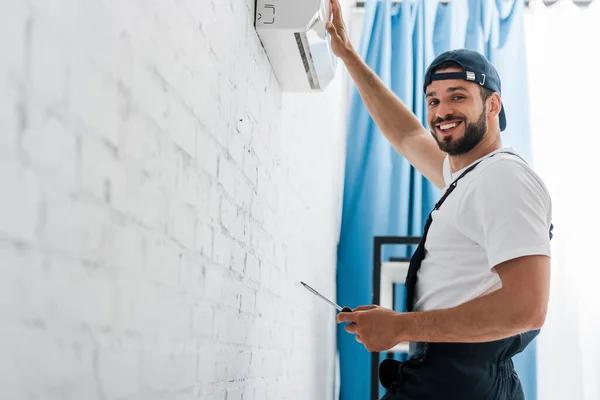
HVAC contractors play a crucial role in ensuring the comfort and efficiency of heating, ventilation, and air conditioning systems in residential, commercial, and industrial settings. Their expertise is essential during both the installation of new systems and the repair of existing ones. These professionals are tasked with several important responsibilities that ensure HVAC systems operate optimally.
During installation, one of the primary tasks HVAC contractors perform is assessing the specific needs of a building. This involves calculating load requirements to determine the appropriate size and capacity of HVAC units needed for efficient operation. Proper sizing is critical; an undersized system may struggle to maintain comfort levels, while an oversized one can lead to increased energy consumption and wear find more on this website components.
Once sizing is determined, contractors proceed with selecting suitable equipment that meets both efficiency standards and client preferences. They then handle all aspects of installing these units, including setting up ductwork or piping as necessary. Precision during this phase is vital to avoid future leaks or inefficiencies that could compromise system performance.
In addition to installation tasks, HVAC contractors are responsible for ensuring that all electrical connections are correctly established. This includes wiring thermostats and other control devices which require meticulous attention to detail to prevent potential hazards or malfunctions down the line.
Beyond initial setup, proper testing is another critical task performed by these professionals. Contractors must verify that each component functions correctly before declaring a project complete. Testing ensures that airflow rates meet specifications and refrigerant levels are optimal for cooling operations.
When it comes to repairs, HVAC contractors diagnose issues using specialized tools such as pressure gauges or digital thermometers. Identifying problems accurately allows them to implement effective solutions efficiently—whether repairing faulty components like compressors or replacing worn-out parts such as belts or filters.
Routine maintenance also falls within their purview; regular check-ups help extend system lifespans while maintaining peak performance levels year-round. Maintenance activities often include cleaning coils for better heat exchange rates along with inspecting insulation materials used throughout ductwork installations where applicable – keeping everything running smoothly without unnecessary strain placed upon individual elements over time due largely thanks again towards proactive care measures taken up front!
Finally yet importantly: communication remains key throughout every stage involved here too (from start until finish). Effective dialogue between clients helps address any concerns promptly whilst providing valuable insights into how best optimize overall usage patterns moving forward together collaboratively thereby enhancing long-term satisfaction achieved mutually beneficial outcomes shared alike amongst everyone concerned ultimately resulting happier healthier environments enjoyed daily basis no matter what season might bring forth next!
About the Author


